

Understanding HPI Checks: Why They Matter in Vehicle Buying Services
When purchasing a vehicle, whether privately or through a dealer, it’s essential to ensure you’re making a sound investment. One of the most effective ways to safeguard yourself against potential pitfalls is by conducting an HPI check. But what exactly is an HPI check, and why does it matter so much in the world of vehicle buying services?
What Is an HPI Check?
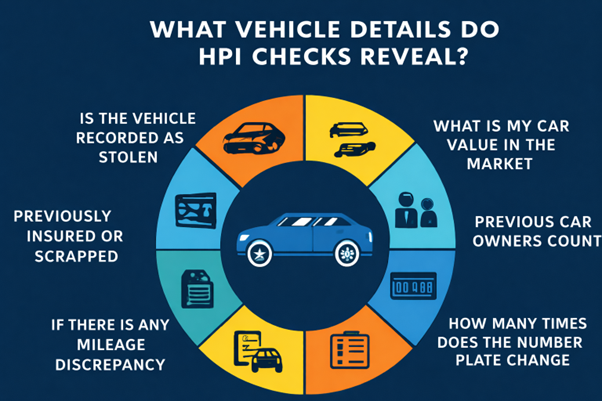
An HPI (Hire Purchase Investigation) check is a comprehensive vehicle history report that reveals crucial details about a vehicle’s past. This report covers outstanding finance, previous thefts, accident history, mileage discrepancies, and whether a vehicle has been written off by an insurance company. By running an HPI check, buyers can uncover hidden issues that may not be immediately obvious through a physical inspection alone.
Why Are HPI Checks Important?
HPI checks protect buyers from financial loss and legal complications. For instance, if a vehicle is still subject to outstanding finance, the lender could repossess it from the new owner. Similarly, purchasing a stolen vehicle could result in its confiscation by the authorities, leaving the buyer out of pocket. Mileage discrepancies and write-off statuses impact the vehicle’s value and safety, so having this information is paramount.
HPI Checks in Vehicle Buying Services
Reputable vehicle buying services routinely perform HPI checks on every vehicle they source or sell. This transparency reassures customers that the vehicles offered are free of hidden debts, aren’t stolen, and haven’t been involved in serious accidents. Ultimately, it builds trust and protects both buyers and sellers, making the process smoother and safer for all parties involved. At UK Best Van Buyer, we will run a HPI check on every vehicle to help us give as accurate a price as possible.